Overview
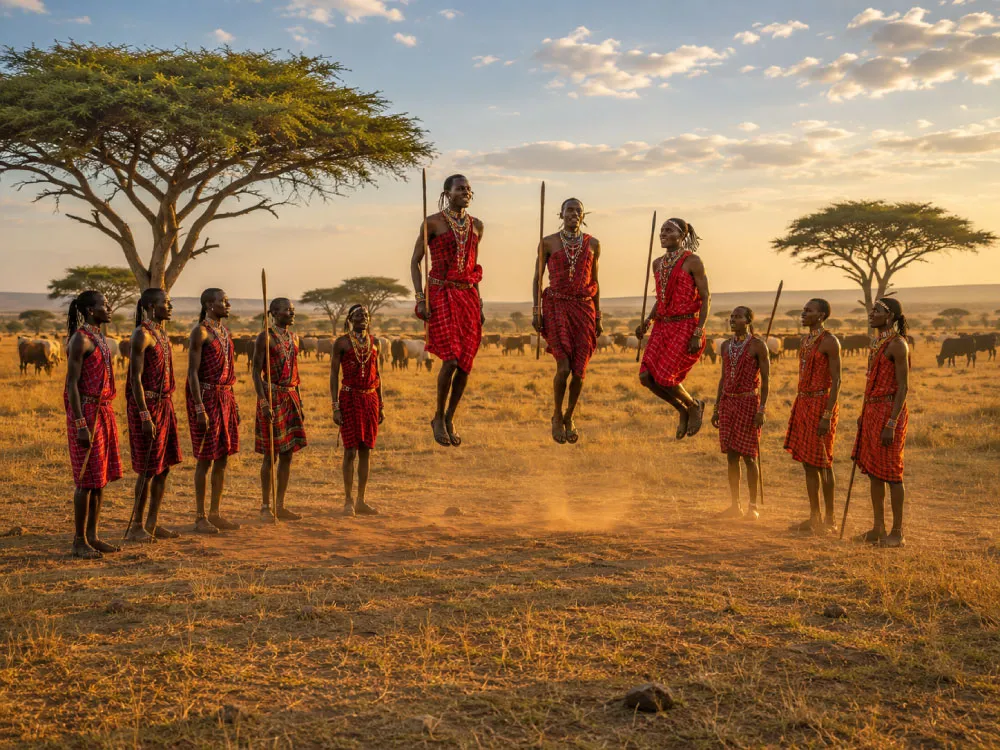
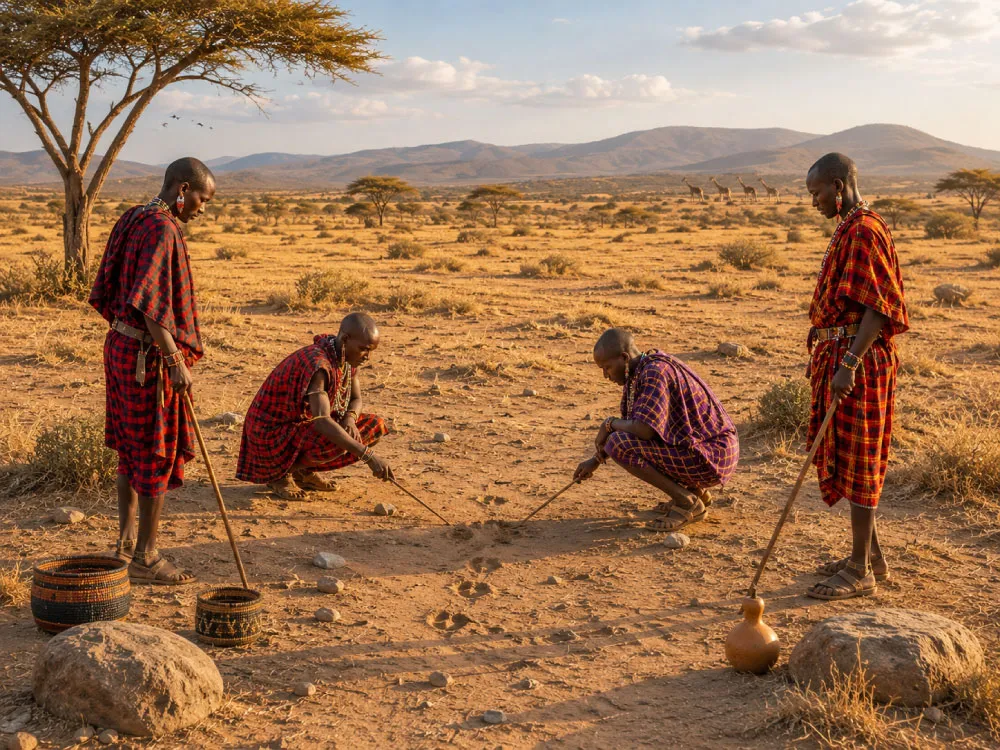
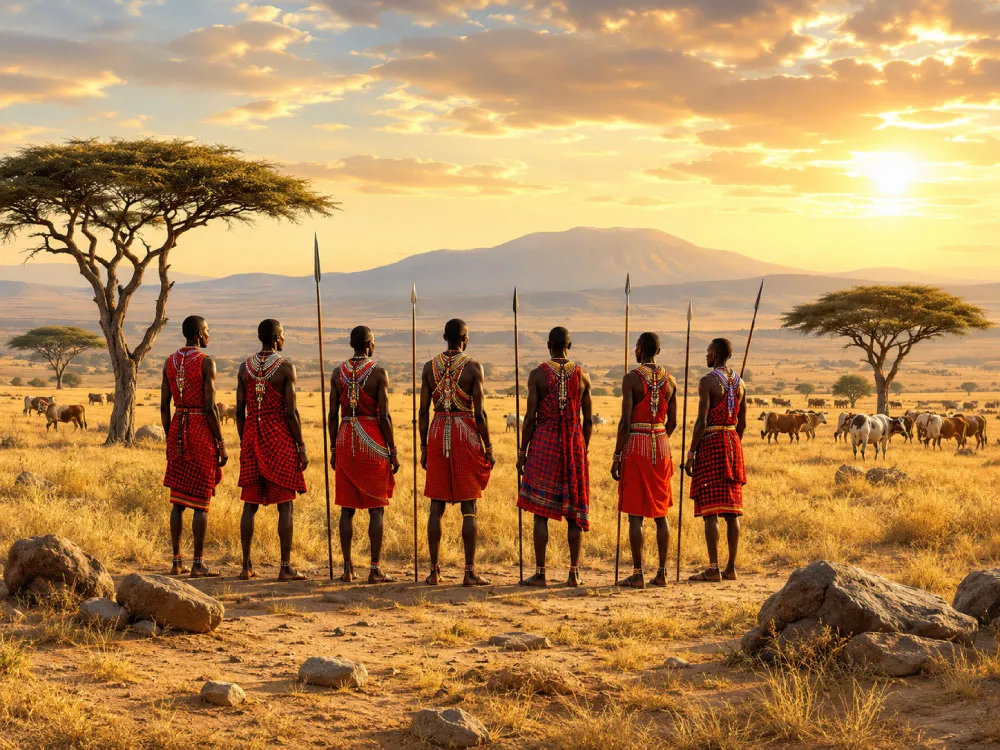
The Maasai are an Indigenous people living in East Africa, mainly across southern Kenya and northern Tanzania. They are widely known for their colorful red clothing, distinctive beadwork, and traditional jumping dances.
The Maasai are classified as a Nilotic ethnic group and speak the Maa language. Many Maasai people also speak Swahili and English. The name “Maasai” itself is derived from the Maa language.
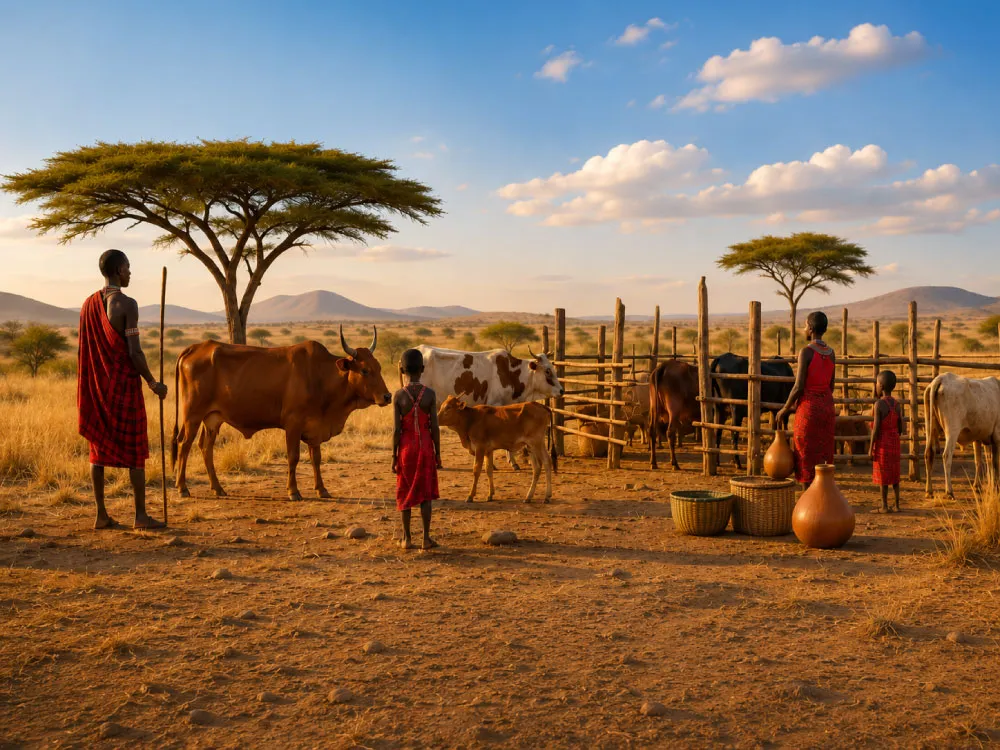
Traditionally, the Maasai have lived a semi-nomadic pastoral lifestyle, raising cattle, goats, and sheep. Among these animals, cattle hold especially deep cultural importance and are closely connected to wealth, social status, marriage, and religious ceremonies.
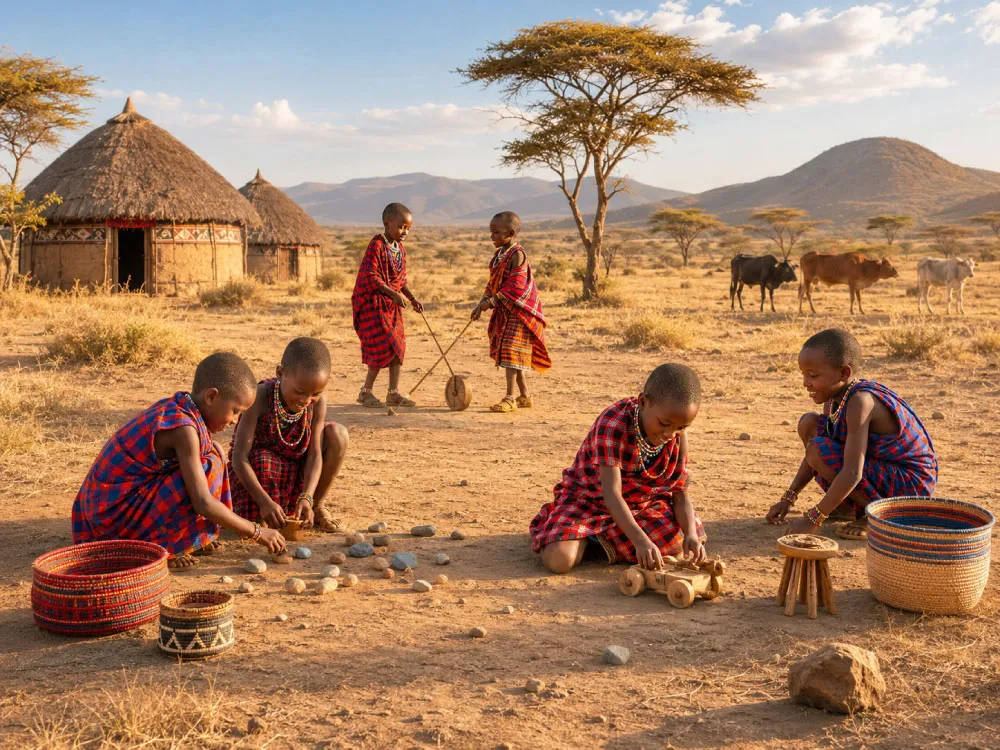
Traditional Maasai homes are called “Manyatta.” These houses are built using wood, mud, and cow dung, and women traditionally take the primary role in constructing them.
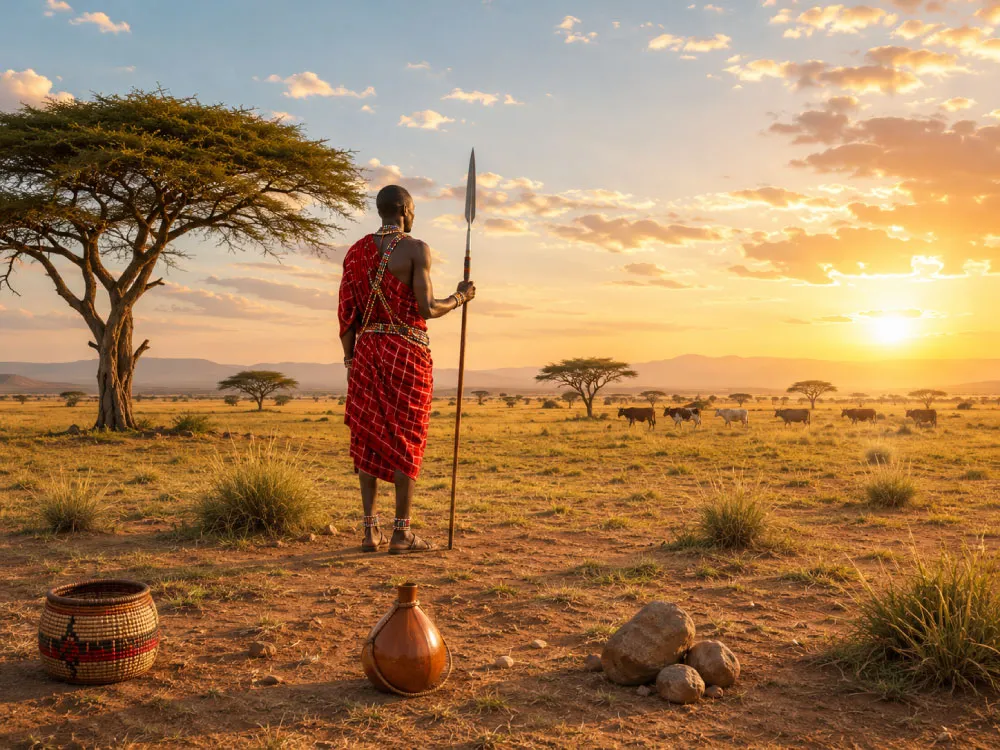
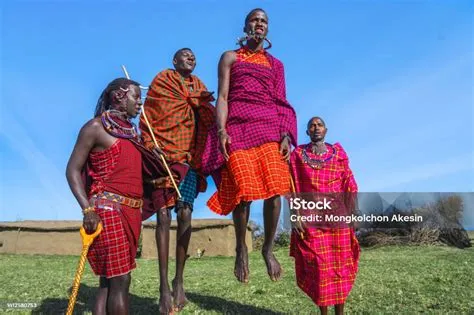
The Maasai are also famous for wearing brightly colored cloth known as “Shúkà,” often in red, blue, or purple. Their culture includes elaborate bead jewelry such as necklaces and earrings, with designs that may vary depending on region, age, and social status.
Maasai society traditionally follows an age-set system. Men pass through several stages of life, including warrior (Moran), elder, and senior community member. Young warriors historically lived together and played important roles in protecting the community.
In terms of religion, the Maasai traditionally worship a deity known as “Enkai.” Today, Christianity is also practiced in some areas, while elements of traditional beliefs continue to survive.
Historically, the Maasai are believed to have migrated into East Africa centuries ago from regions connected to the Nile Valley. During the 19th century, they became one of the most influential peoples in East Africa. However, colonial rule, land loss, the creation of national parks, and modernization significantly affected their traditional way of life.
Today, some Maasai communities continue traditional pastoral lifestyles, while others are increasingly involved in tourism, education, and urban employment. At the same time, Maasai communities continue to face challenges related to land rights, education, climate change, and cultural preservation.
The Maasai remain one of the most internationally recognized Indigenous peoples of East Africa, and their unique culture and traditions continue to attract global attention.
Location
The Maasai are indigenous to southern Kenya and northern Tanzania.
Continent: Africa
Region: The Maasai are indigenous to southern Kenya and northern Tanzania.
History
Originating from the Nile Valley, they migrated southward around the 17th century and established a pastoral, warrior-based society. Despite colonial pressures, the Maasai have preserved much of their traditional culture.
Culture
- Pastoralists:Cattle are central to their economy and spirituality.
- Warrior System:Young men (Morans) undergo initiation and serve as warriors.
- Rituals:Rich traditions of song, dance, and ceremonies, especially the famous jumping dance.
- Attire:Red shukas (cloaks) and intricate beadwork are iconic.
Maasai Symbols and Flag
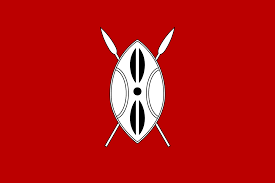
No official flag, but key symbols include
Symbolic designs often include
- Reds: Symbolizes bravery, blood, and life.
- Beadwork:Colors have meanings (e.g., blue = sky, green = land).
- Shield and Spear:Represent protection and warrior identity.
- Some communities use a flag with a Maasai shield, but it's informal.
Language
Maasai Language (Maa)
- Language Family: Nilo-Saharan, Eastern Nilotic branch.
- Phonetics:9 vowels, 25 consonants, with tonal distinctions (high, mid, low tones).
- Writing:Traditionally oral, now written in Latin script, sometimes with diacritics to mark tones.
Features:
- Prefix system for gender and number in nouns.
- Rich oral tradition, with songs and stories conveying knowledge.
Language Classification and Naming of Maa
The Maasai language (also known as Maa) belongs to the Eastern Nilotic branch of the Nilo-Saharan language family. Spoken primarily by the Maasai people in southern Kenya and northern Tanzania, it has approximately 1.5 million speakers. The term “Maasai” originally means “people who speak Maa,” distinguishing the cultural and linguistic identity simply as "Maa." Other groups closely related to the Maasai, such as the Samburu and Il-Chamus in Kenya and Parakuyo in Tanzania, also speak dialects of Maa, collectively known as the Maa languages.
Historical Background and Dialect Distribution
The Maasai migrated from the Nile Valley (present-day South Sudan area) around the 15th century, moving into East Africa's Rift Valley and settling in what are now Kenya and Tanzania. This migration positioned them as the southernmost Nilotic-speaking people. The Maasai are subdivided into various sections (called iloshon), each speaking slightly different dialects. Notable dialects include Ilkisonko in Tanzania, and Ilpurko and IlKeekonyokie in Kenya. Differences between dialects are relatively minor, focusing on pronunciation and vocabulary, but all dialects remain mutually intelligible, reinforcing strong regional identities.
Sources (International Databases)
- 100humanitarians.org 100humanitarians.org
- omniglot.com omniglot.com
- en.wikipedia.org en.wikipedia.org
- serengetiparktanzania.com serengetiparktanzania.com
- iosrjournals.org iosrjournals.org
Common Maa Greetings and Phrases
Grammar and Phonological Features of Maa
Maa is an agglutinative language using prefixes, suffixes, and tonal changes to convey grammatical information. Its typical sentence structure is Verb-Subject-Object (VSO), though tonal patterns significantly influence word order. Maa's use of high and low tones distinguishes grammatical and lexical meanings. Additionally, Maa includes implosive consonants (such as [ɓ], [ɗ], [ɠ]), rare in global languages, and vowel harmony based on tongue root positioning (+ATR/-ATR), resulting in about ten distinct vowel sounds.
Nouns in Maa are categorized into three classes: masculine, feminine, and locative. These are marked by specific prefixes, such as "ol-" for masculine and "en-" for feminine nouns. For example, "ol-donyo" means mountain (masculine), and "en-kái" means God (feminine).
Writing System and Usage
Maa uses the Latin alphabet, introduced in the 20th century primarily by missionaries and linguists. However, traditional Maasai culture is primarily oral, and written Maa remains limited to cultural preservation and religious contexts. Comprehensive Maa dictionaries and Bible translations (e.g., "BIBILIA SIINYATI") have been published, establishing a standard spelling system.
Sources (International Databases)
- 100humanitarians.org 100humanitarians.org
- omniglot.com omniglot.com
- en.wikipedia.org en.wikipedia.org
- biblesociety-kenya.org biblesociety-kenya.org
| English | Maa Language | Pronunciation |
| Hello | Sopa | soh-pah |
|---|---|---|
| Good morning | Naisai | nai-sai |
| Thank you | Ashe | ah-sheh |
| Nice to meet you | Inar enkai | i-nar en-kai |
| Good night | Sotoi nai | soh-toy nai |
| Delicious | Olpa | ol-pah |
| Fun/Enjoyable | Narek | nah-rek |
Notes
・Enkai means "God" or "universe" and appears in many phrases.
・Maa dialects vary by region, but these greetings are common in Kenya.
Language Origin
Maa evolved from the Eastern Nilotic languages, part of the broader Nilo-Saharan family. The Maasai migrated from the Nile Valley to East Africa, bringing their language and culture.
Traditionally oral, Maa is now transcribed using Latin script. Diacritics are sometimes used to indicate tones, which are essential for meaning.
Access Guide
The currency of the Maasai people is the Kenyan Shilling (KES).
0.0067 EUR / 0.0077 USD / 1.11 JPY / 0.055 CNY / 0.012 AUD / 0.00998 SGD / 0.061 HKD / 0.0057 GBP / 0.66 INR
https://www.xe.com/currencyconverter/
Maasai Region
Access to Maasai Region (Kenya/Tanzania) from Major Cities
| Departure City | Direct/Transit | Arrival Airport | Flight Time (approx.) | Reference Fare (one-way/round-trip, Economy) |
| Los Angeles | LA → Europe/Middle East → Nairobi | Jomo Kenyatta Int'l (NBO) | 20–28 hours | US$1,200–1,900 |
|---|---|---|---|---|
| New York | NY → Europe/Middle East → Nairobi | Jomo Kenyatta Int'l (NBO) | 17–24 hours | US$1,100–1,800 |
| London | London → direct/Nairobii | Jomo Kenyatta Int'l (NBO) | 9–11 hours (direct) | £500–1,000 |
| Tokyo | Tokyo → Dubai/Doha → Nairobi | Jomo Kenyatta Int'l (NBO) | 20–25 hours | ¥150,000–250,000 |
| Sydney | Sydney → Middle East/Europe → Nairobi | Jomo Kenyatta Int'l (NBO) | 23–30 hours | A$1,800–2,800 |
| Hong Kong | Hong Kong → Doha/Dubai → Nairobi | Jomo Kenyatta Int'l (NBO) | 17–23 hours | HK$8,000–14,000 |
| Shanghai | Shanghai → Doha/Dubai → Nairobi | Jomo Kenyatta Int'l (NBO) | 18–24 hours | CNY7,000–13,000 |
| Singapore | Singapore → Doha/Dubai → Nairobi | Jomo Kenyatta Int'l (NBO) | 14–20 hours | S$1,100–1,900 |
Traditional Maasai Games and Sports
Children's Play and Pastoral Culture
Maasai children's games reflect their pastoral lifestyle, with children mimicking cattle herding by making small animal figurines and village replicas from clay.
Jump Dance (Adumu)
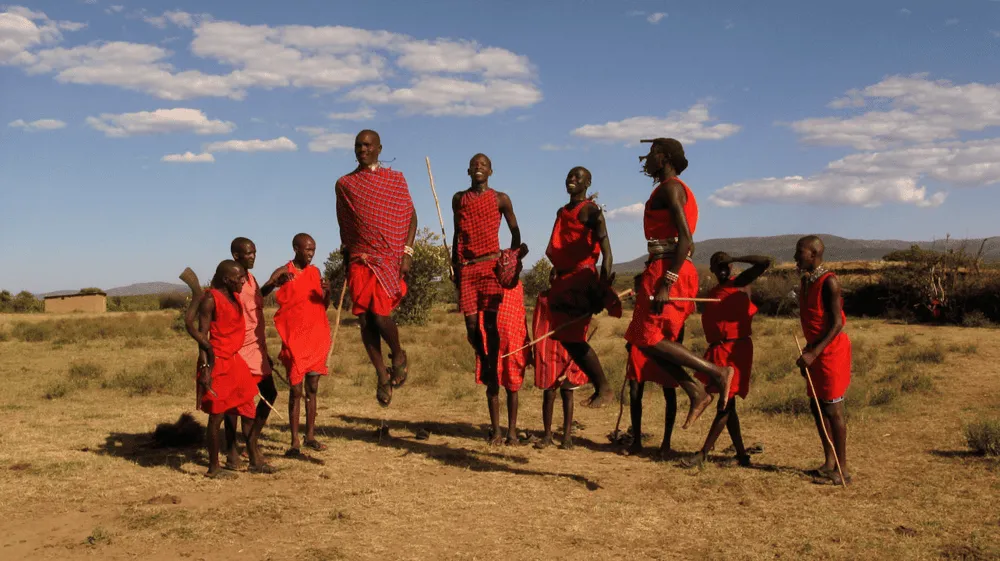
The most famous Maasai dance is the Adumu or jumping dance, performed by warriors (morans). Historically, Adumu featured in rites of passage like Eunoto (warrior to adult transition). High jumping symbolizes courage and is considered attractive in courtship.
Spear and Club Throwing
Spear throwing is another critical skill for Maasai warriors, historically vital for defense and hunting. Warriors also practice throwing clubs (orinka), known for their accuracy and lethal range.
From Lion Hunting to Maasai Olympics
Historically, lion hunting (Olamayio) was a rite of passage for warriors. Due to wildlife conservation concerns, this tradition has evolved into the Maasai Olympics, established in 2012. This event includes spear throwing, club throwing, high jumping, and various running events, promoting sportsmanship and conservation. It has become an important cultural celebration, reducing conflicts between humans and wildlife.
Sources: Linguistic classification and grammar, usage and orthography, historical and cultural context, traditional games (jump dance, spear throwing), Maasai Olympics, among others.
1.Jumping Dance (Adamu Enkina)
・Description: A competitive dance where warriors jump as high as possible.
・Purpose:Showcases strength, rhythm, and readiness.
・Cultural Role:Performed during ceremonies and as part of social bonding.
2.Stick Throwing
・Description:Throwing spears or sticks at targets, simulating hunting.
・Purpose:Trains accuracy and agility.
・Cultural Role:Prepares young boys for warriorhood.
3.Animal Chasing
・Description:Children chase goats or other animals.
・Purpose:Develops stamina and coordination.
4.Poro Rimse (Circle Dance Game)
Introduction video
Sources (International Databases)
・serengetiparktanzania.com
serengetiparktanzania.com
・altezzatravel.com
altezzatravel.com
・angama.com
angama.com
・en.wikipedia.org
en.wikipedia.org
・aljazeera.com
aljazeera.com