Overview
The Roma (or Romani people) are a widely-dispersed ethnic group with roots in northwestern India, now living throughout Europe, the Middle East, the Americas, and beyond.
Numbering over 6 million in Europe alone, the Roma are renowned for their vibrant traditions, music, dance, storytelling, and strong community ties. Their history is characterized by a nomadic lifestyle, adaptability, and significant influence on the cultures of many countries.
The Roma people are one of the major ethnic minority groups living across Europe. Today, large Roma communities can be found throughout:
- Eastern Europe
- Central Europe
- The Balkan Peninsula
- Western Europe
as well as in other parts of the world, including:
- The Americas
- The Middle East
- South America
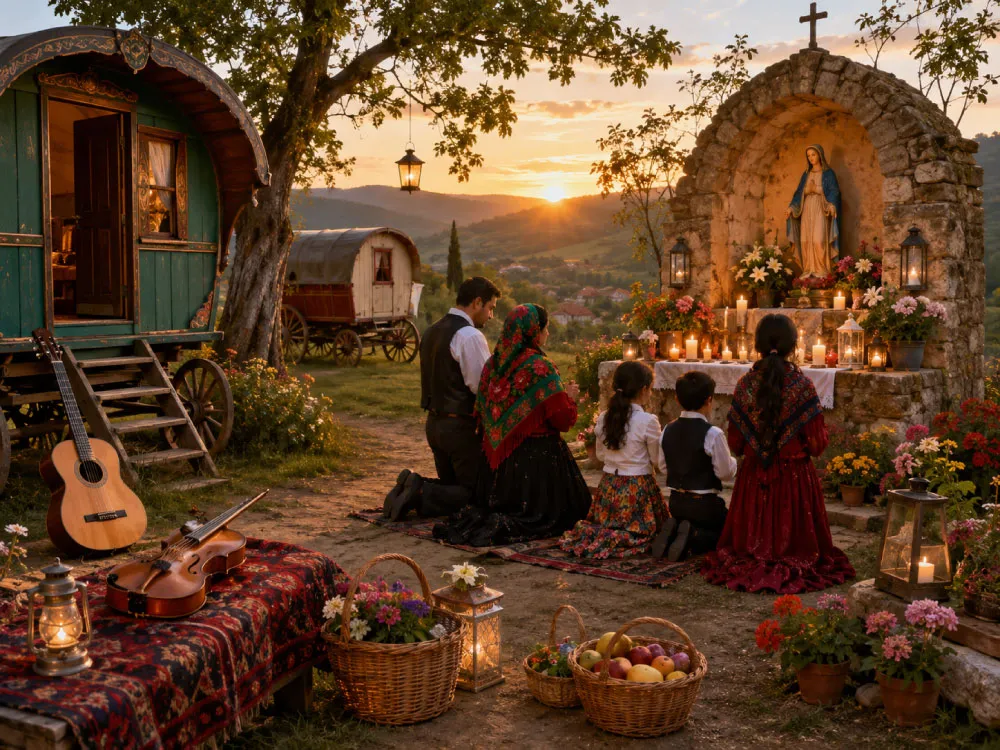
Historically, the Roma became widely known for mobile lifestyles and traveling communities, although many Roma people today live in settled communities and urban areas.
Linguistic and historical research suggests that the ancestors of the Roma began migrating from northwestern India around 1,000 years ago. Connections to Indo-Aryan populations have been identified through language studies and historical records.
The traditional language of the Roma people is:
Romani
which belongs to the Indo-Aryan branch of the Indo-European language family.
Today, many regional dialects of Romani exist, and most Roma people also speak the local languages of the countries where they live.
Historically, the Roma are believed to have migrated through the Middle East and Byzantine territories before spreading across Europe. By the late Middle Ages, records of Roma communities had appeared in many parts of Europe.
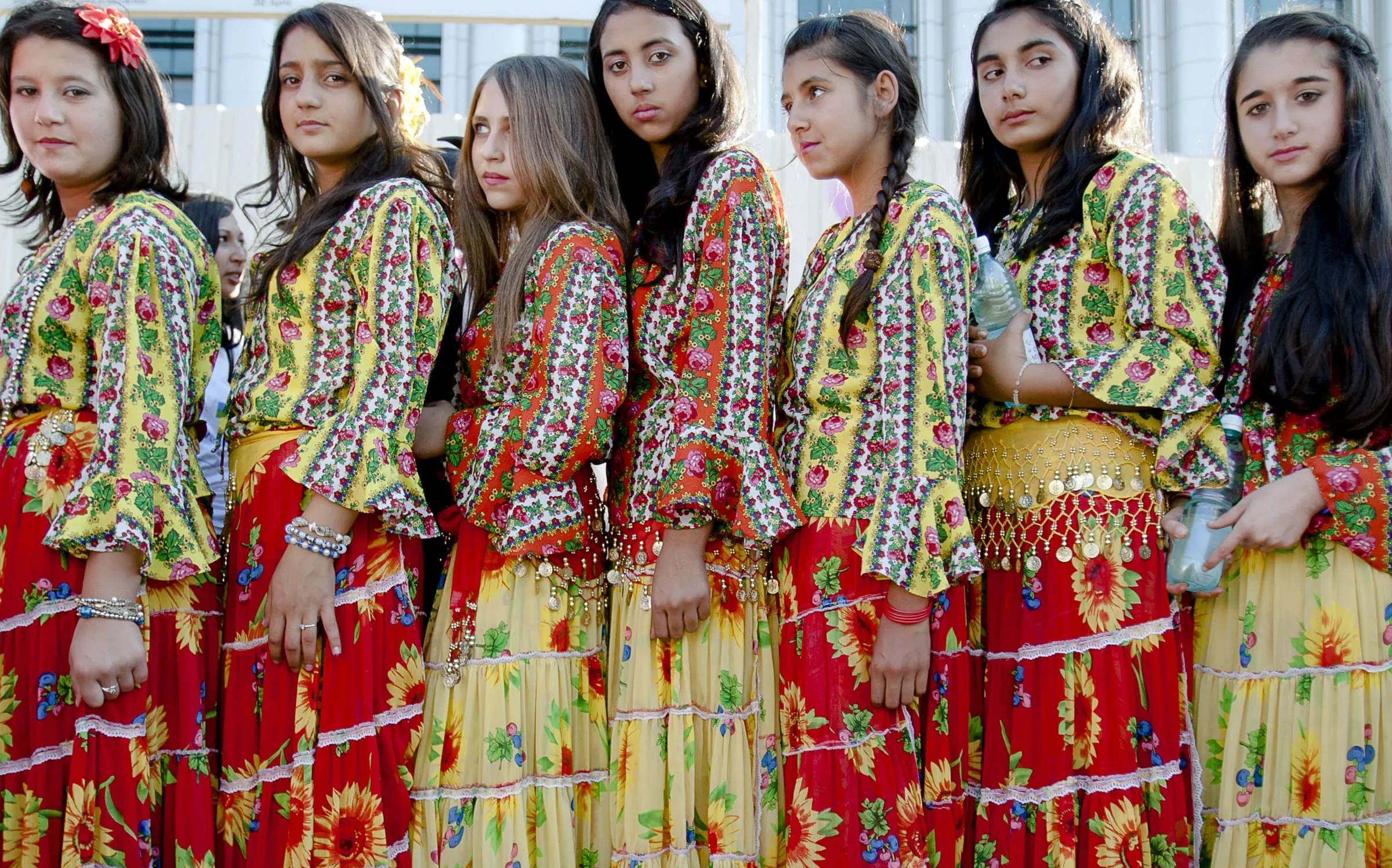
Roma communities have developed diverse cultural traditions depending on the region. They have historically been associated with music, dance, craftsmanship, metalworking, and horse-related occupations.
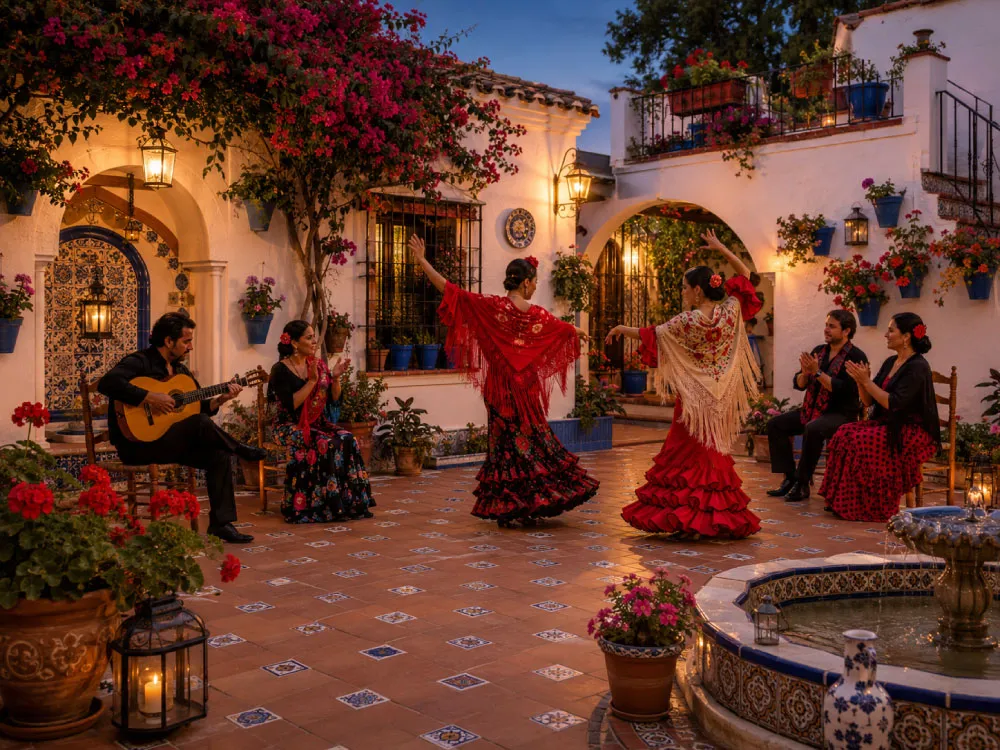
Roma musical traditions are especially well known. Roma cultural influences have been identified in various musical traditions, including Spanish flamenco and several forms of Eastern European folk music.
In terms of religion, Roma communities practice different faiths depending on the region, including:
- Christianity
- Islam
- Eastern Orthodoxy
Throughout history, Roma people have often faced discrimination, exclusion, and forced assimilation policies in various parts of Europe. Restrictions on movement and social persecution occurred during different historical periods.
During World War II, large numbers of Roma people were persecuted and killed under Nazi rule. This tragedy is sometimes referred to as:
Porajmos
Today, many Roma people live in both urban and rural communities and participate in fields such as education, arts, politics, and music.
At the same time, challenges related to:
- Poverty
- Educational inequality
- Discrimination
- Housing issues
- Social exclusion
continue to affect many Roma communities.
In recent years, movements related to Romani language education, cultural preservation, and minority rights have become increasingly active, contributing to renewed interest in Roma identity and heritage.
Today, the Roma are recognized as one of the largest minority populations in Europe, and their history, language, music, and diverse community traditions continue to represent an important part of Europe’s cultural diversity.
Region
- Continent: Europe
- Region: Primarily throughout Europe (especially Romania, Bulgaria, Hungary, Spain, Serbia, Russia, etc.), as well as the Middle East, North Africa, the Americas, and parts of Asia.
Roma Flag and Symbols
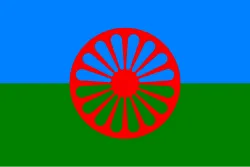
Roma Flag
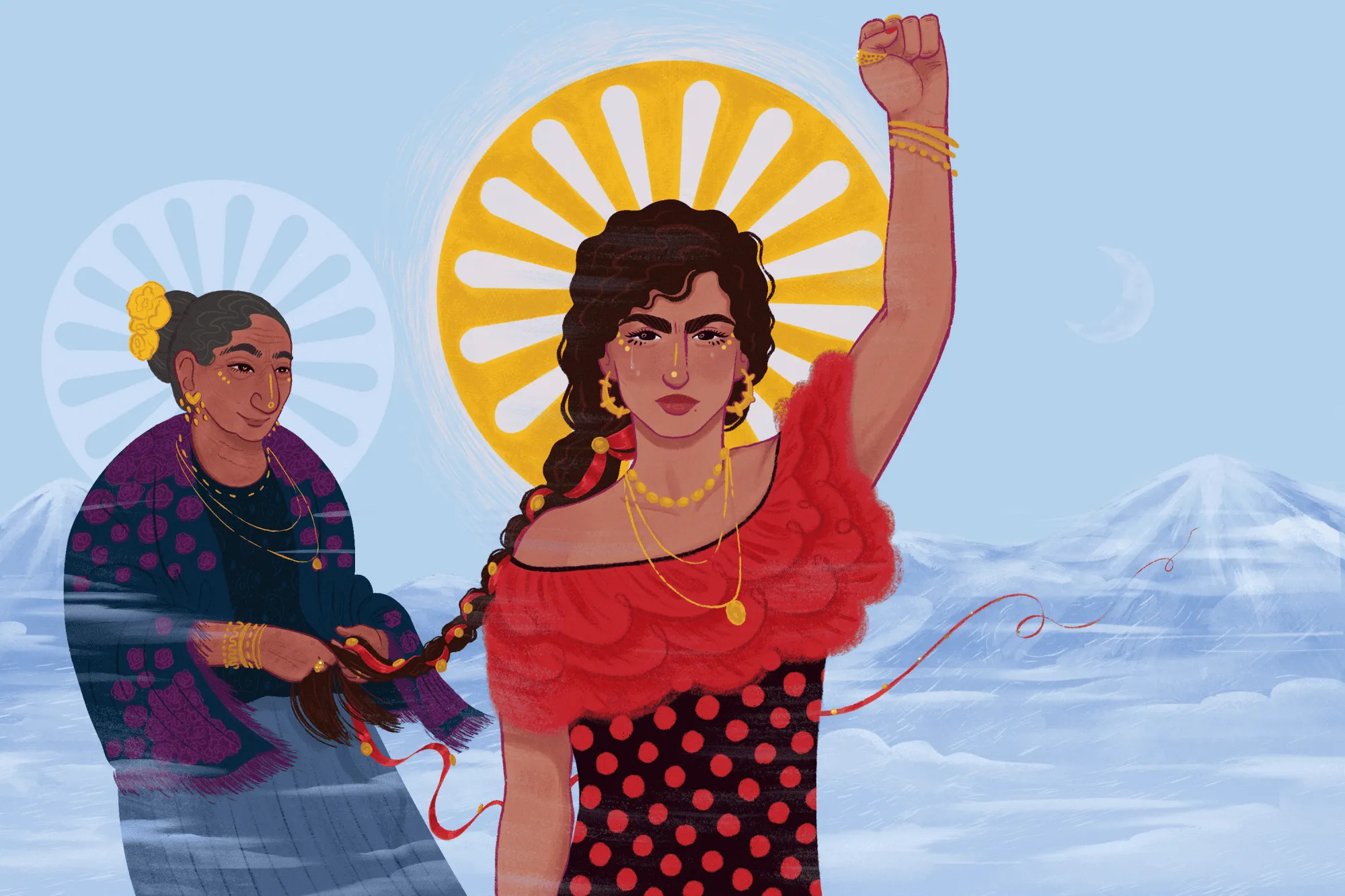
Blue (sky) over green (earth) with a red 16-spoked wheel (“chakra”) in the center, symbolizing freedom, travel, and their Indian origins.
The Wheel (Chakra)
Represents migration, movement, and the Roma’s journey through history.
Language
- Name: Romani (Romanes)
- Language Family: Indo-European > Indo-Aryan
- Speakers:Estimated 3–4 million (numerous dialects)
- Grammar: Agglutinative with complex noun/verb inflections; SVO (Subject–Verb–Object) word order
- Usage: Spoken within Roma communities and families, but most Roma are also fluent in the national language of their country of residence.
Writing System
- Traditionally oral, but now Romani is mainly written using the Latin alphabet.
- In some countries, Cyrillic or Greek scripts are also used.
▶Romani Alphabet
schweigende-ente.blog.jp
Common Romani Greetings and Phrases
| English | Romani | Pronunciation |
| Hello | Sastipe! | sah-STEE-peh |
|---|---|---|
| Good morning | Devlesa! | DEV-leh-sah |
| Thank you | Nais tuke | nighs TOO-keh |
| Nice to meet you | Te aves baxtalo | teh AH-ves bakh-TAH-loh |
| Good night | Lačhi rat | LAH-chee raht |
| Delicious | Lačhi | LAH-chee |
| Fun/Enjoyable | Baxtalo | bakh-TAH-loh |
Note
Romani varies greatly by region, so expressions and pronunciations may differ.
Language Origin & Historical Background
- Romani originated in northwestern India, with migration to the West beginning around the 10th century.
- As the Roma migrated, their language absorbed words and influences from Persian, Greek, Slavic, and other European languages.
- The result is a language with many dialects and a rich, layered vocabulary.
Access Guide
The currency of the Romani people is the Euro (EUR, €).
The currency shown here is the official currency (Euro) of Romania, where the Romani people mainly live. Different currencies may be used in other countries.
the Roma People Region
Example Routes to the Roma People (Romania, Bucharest)
| Departure City | Direct/Transit | Arrival Airport | Flight Time (approx.) | Reference Fare (one-way/round-trip, Economy) |
| Los Angeles | LA → via London/Paris/Doha → Bucharest | Bucharest Airport (OTP) | About 17–23 hr | US$900–1,500 |
|---|---|---|---|---|
| New York | NY → via Paris/London/Doha → Bucharest | Bucharest Airport (OTP) | About 11–16 hr | US$700–1,200 |
| London | London → direct or via Vienna → Bucharest | Bucharest Airport (OTP) | About 3–4.5 hr | £80–250 |
| Tokyo | Tokyo → via Doha/Istanbul/Vienna → Bucharest | Bucharest Airport (OTP) | About 16–20 hr | ¥130,000–200,000 |
| Sydney | Sydney → via Doha/Istanbul → Bucharest | Bucharest Airport (OTP) | About 21–28 hr | A$1,300–2,200 |
| Hong Kong | Hong Kong → via Istanbul/Doha → Bucharest | Bucharest Airport (OTP) | About 15–21 hr | HK$7,200–10,500 |
| Shanghai | Shanghai → via Istanbul/Doha → Bucharest | Bucharest Airport (OTP) | About 16–22 hr | CNY5,100–7,800 |
| Singapore | Singapore → via Istanbul/Doha → Bucharest | Bucharest Airport (OTP) | About 15–20 hr | S$970–1,500 |
Traditional Games
For Children
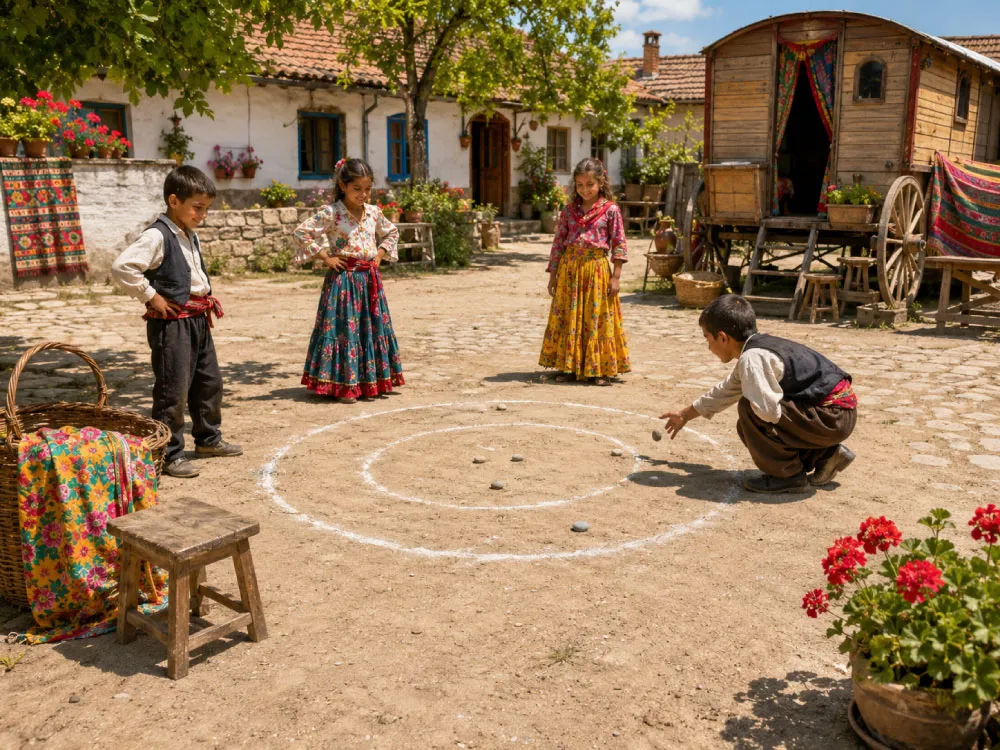
Dilo
A simple game played with stones or coins—testing luck, skill, or involving simple tricks.
Improvised singing and rhythm games
Using handclaps or basic instruments for fun and learning.
For Adults
Dance
flamenco, czardas, and other styles influenced by national cultures
Card and tarot reading
Fortune-telling is a traditional Roma livelihood, especially among women.
Music sessions
Impromptu performances using violin, guitar, and other instruments at gatherings and festivals.
Introduction video
Summary
・The Igbo are a major ethnic group in Nigeria, numbering over 30 million.
・Uli patterns and masks are cultural symbols.
・Igbo is a tonal Niger–Congo language with many unique expressions.
・Rich in traditional games like Okwe, wrestling, and masquerade dancing.