Overview
Indigenous Peoples are not remnants of the past. They are living communities whose languages, traditions, knowledge systems, and identities continue to shape the modern world.
Across the Arctic, the Pacific, Asia, Africa, and the Americas, Indigenous communities have maintained distinctive relationships with their ancestral lands and passed knowledge from one generation to the next. Their languages contain much more than words. They preserve oral histories, environmental knowledge, family relationships, spiritual ideas, place names, and ways of seeing the world that cannot always be translated directly into another language.
Many Indigenous languages have faced pressure from colonization, forced assimilation, migration, discrimination, and education systems that favored dominant languages. Some are now spoken by relatively small numbers of people. Others have millions of speakers but still face challenges in education, media, public services, or intergenerational transmission.
At the same time, Indigenous language revitalization is growing around the world. Communities are creating language schools, digital dictionaries, television programs, music, films, educational materials, and social media content. Young speakers are finding new ways to use ancestral languages in contemporary life.
The ten peoples introduced below represent only a small part of the world’s enormous Indigenous diversity. Each has its own history and identity, and no community can be fully understood through a short description. This page is intended as a starting point for further learning.
A Note on Terminology
There is no single universal definition that applies perfectly to every Indigenous People or community.
Indigenous identity is generally connected to historical continuity with pre-colonial or pre-settler societies, distinctive cultural and linguistic traditions, strong relationships with ancestral territories, community recognition, and self-identification.
The names used on this page are intended as accessible introductions. Some communities may use their own names in preference to names that became widely known through colonial governments, outside researchers, or neighboring societies.
01 Ainu
- Region : Northern Japan, especially Hokkaido
- Language : Ainu
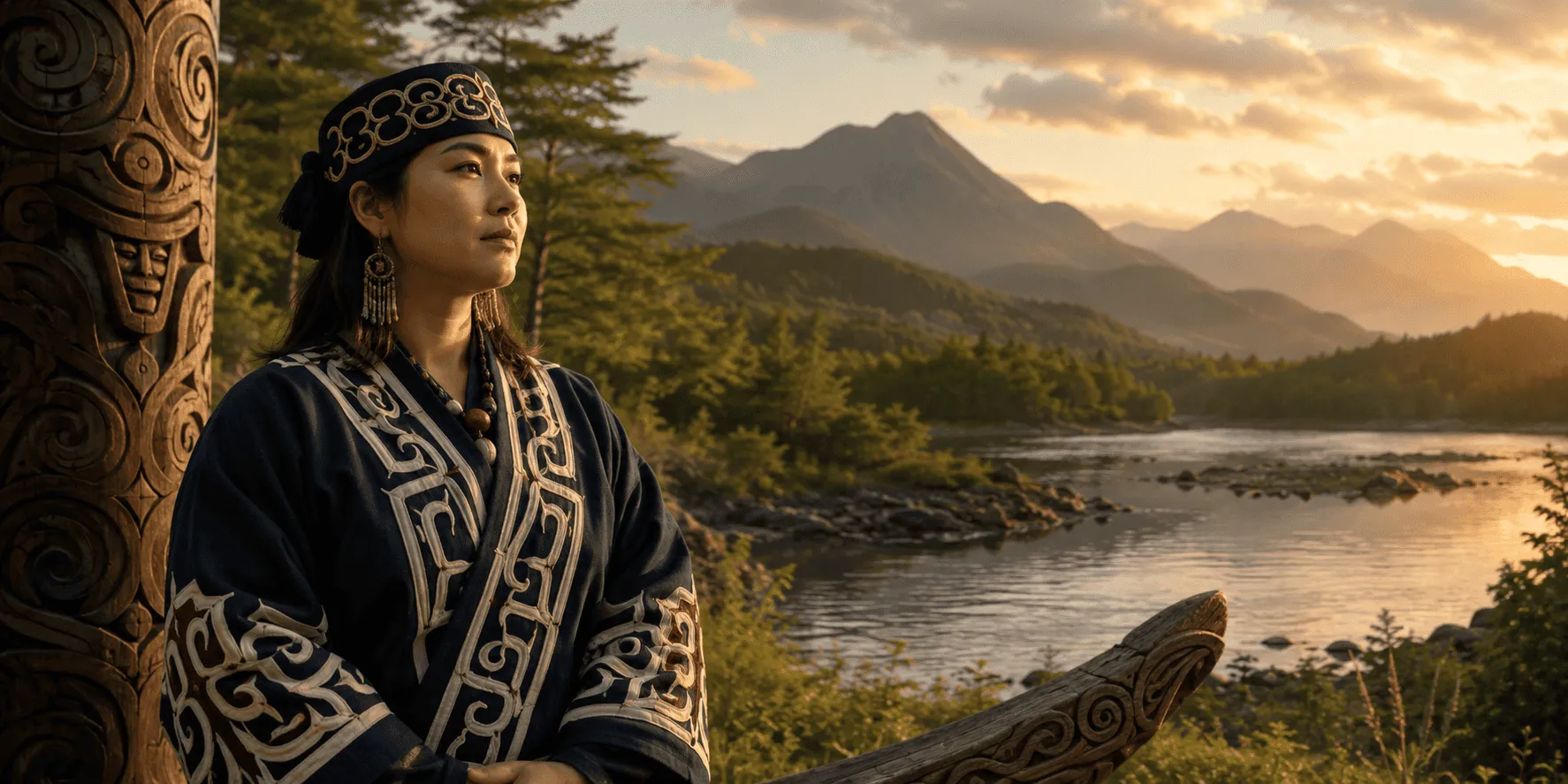
The Ainu are an Indigenous people of northern Japan, particularly associated with Hokkaido, as well as historically with Sakhalin and the Kuril Islands.
Ainu culture developed through close relationships with forests, rivers, the sea, and northern wildlife. Traditional knowledge can be seen in oral storytelling, wood carving, embroidery, fishing, hunting, ceremonies, and community life.
The Ainu language is a language isolate, meaning that no confirmed genealogical relationship has been established between Ainu and any other language family. It is structurally different from Japanese and preserves its own vocabulary, grammar, oral traditions, and place names.
Following long periods of assimilation and language decline, Ainu communities, educators, cultural organizations, and language learners are working to revitalize the language. Today, Ainu appears in cultural education, music, digital archives, museums, public signs, and community-based learning activities.
The survival of Ainu culture demonstrates that cultural continuity does not depend only on the number of fluent speakers. It also depends on people choosing to learn, teach, document, and use their heritage in new ways.
Learn more about the Ainu people and language
02 Sámi
- Region : Northern Norway, Sweden, Finland, and Russia
- Language : Sámi languages
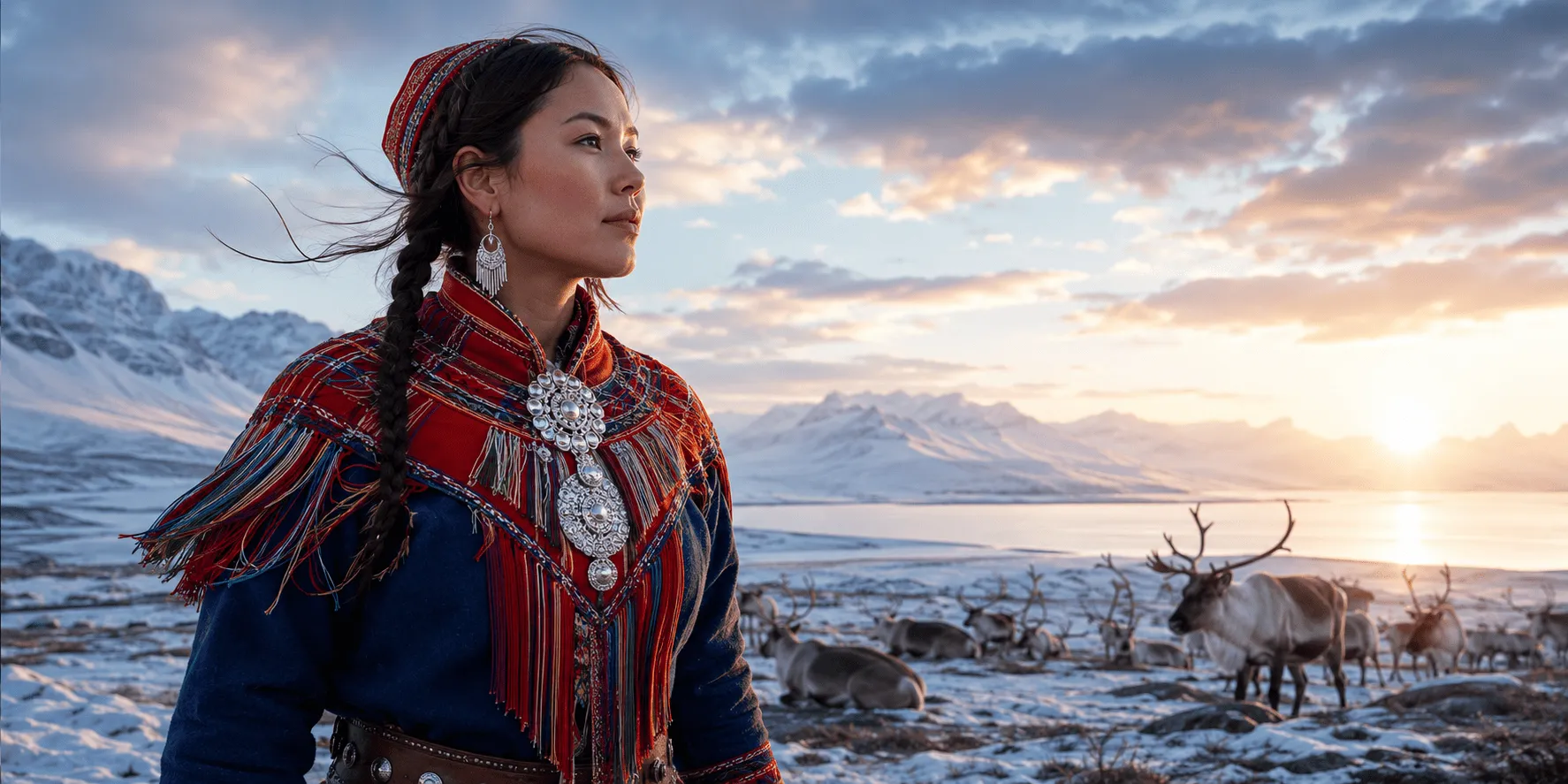
The Sámi are the Indigenous people of Sápmi, a cultural region extending across the northern parts of Norway, Sweden, Finland, and Russia’s Kola Peninsula.
There is no single Sámi language. Sámi languages form a branch of the Uralic language family and include North Sámi, Inari Sámi, Skolt Sámi, South Sámi, Lule Sámi, and several others. Some have thousands of speakers, while others are spoken by very small communities.
Sámi cultures vary from region to region. Traditional livelihoods have included reindeer herding, fishing, hunting, farming, and handicrafts known as duodji. However, not all Sámi people are reindeer herders, and contemporary Sámi life includes cities, universities, media, music, literature, politics, and many other fields.
Language nests, Sámi-language schools, broadcasting, digital resources, and community programs are helping younger generations learn and use Sámi languages.
The Sámi experience shows why Indigenous cultures should not be reduced to traditional clothing or a single occupation. Sámi identity is diverse, modern, and continually developing.
Learn more about the Sámi people and languages
03 Māori
- Region : Aotearoa New Zealand
- Language : Te reo Māori
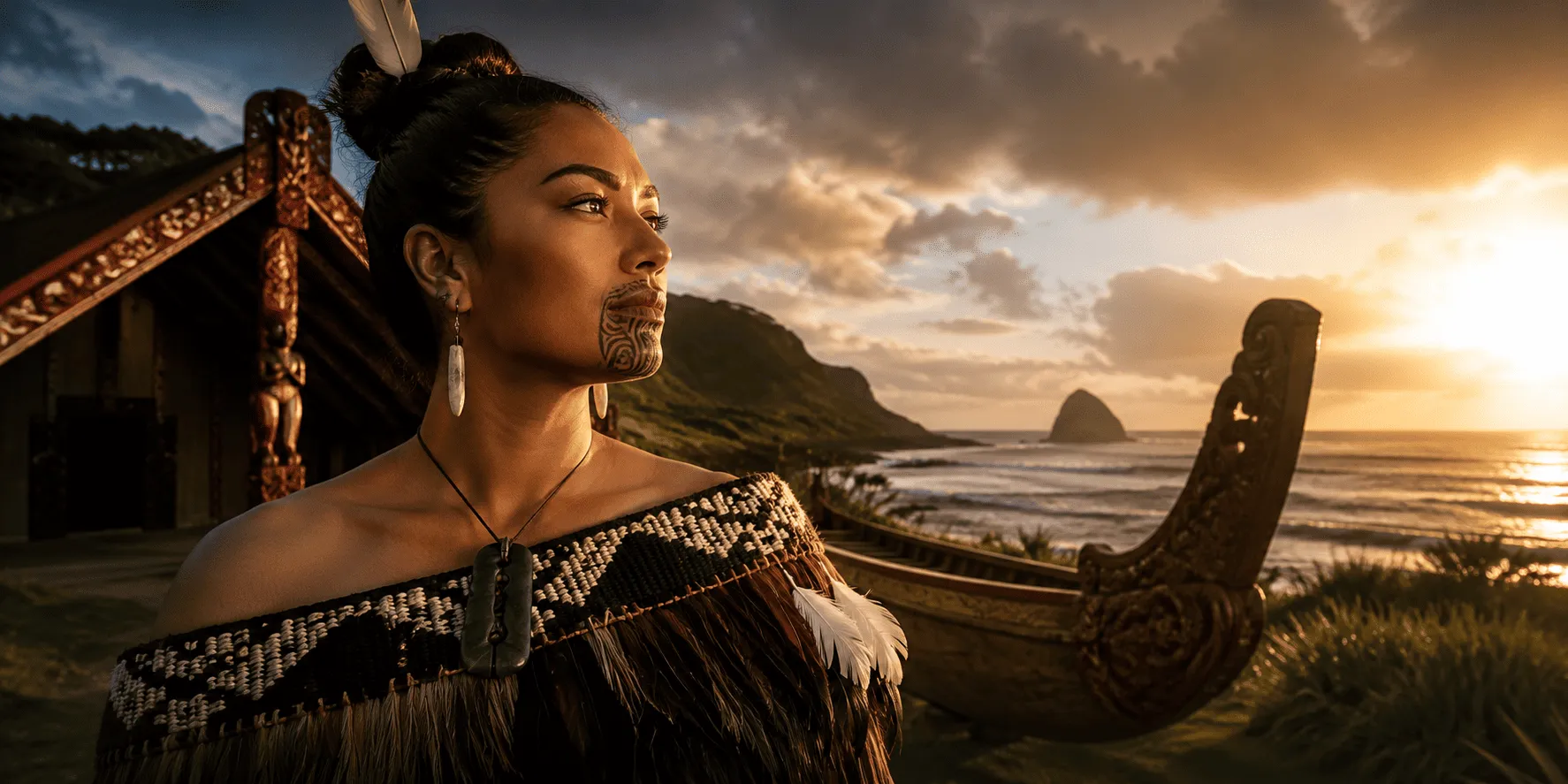
Māori are the Indigenous people of Aotearoa New Zealand. Their ancestors reached the islands from East Polynesia and developed distinct tribal communities, knowledge systems, artistic traditions, and relationships with the land and sea.
The Māori language is known as te reo Māori. It belongs to the Polynesian branch of the Austronesian language family and is closely related to languages spoken across the Pacific.
During the nineteenth and twentieth centuries, the use of English expanded while te reo Māori declined in many homes and schools. By the twentieth century, concerns grew that the language might cease to be passed naturally to younger generations.
Māori communities responded with one of the world’s most influential language revitalization movements. Initiatives such as kōhanga reo language preschools, Māori-medium schools, broadcasting, music, university programs, and public campaigns brought the language into new generations and new settings.
Te reo Māori is now an official language of New Zealand. Its revitalization demonstrates how families, educators, communities, and institutions can work together to restore a language’s place in everyday life.
Learn more about the Māori people and te reo Māori
04 Diné
- Region : Southwestern United States
- Language : Diné Bizaad, commonly called Navajo
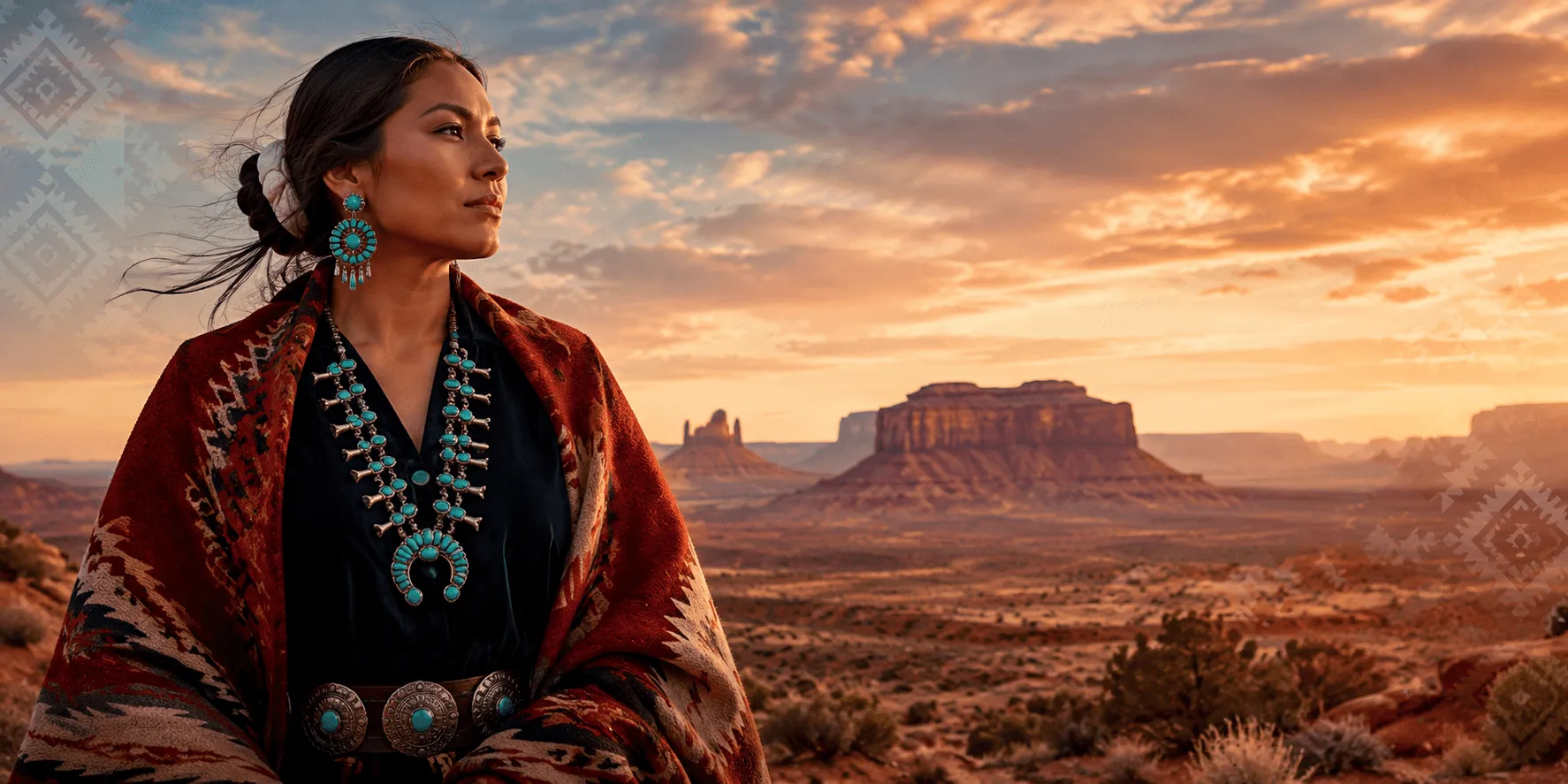
The Diné are an Indigenous people whose homeland lies in the southwestern United States, particularly across areas of present-day Arizona, New Mexico, and Utah.
The name “Navajo” is widely recognized in English, but many community members call themselves Diné, often translated as “the People.” Their language is Diné Bizaad, commonly known in English as Navajo.
Diné Bizaad belongs to the Athabaskan language family. Its complex sound system, verb structure, and grammar make it significantly different from English and Spanish.
The language became internationally known through the Diné Code Talkers, who used a military code based on Navajo during the Second World War. However, the language’s importance extends far beyond that historical episode. It carries teachings about family, community, land, balance, responsibility, and identity.
Although Diné Bizaad remains one of the most widely spoken Indigenous languages in the United States, intergenerational transmission has declined. Schools, immersion programs, families, media producers, and language advocates continue working to strengthen everyday use among younger speakers.
Learn more about the Diné people and Diné Bizaad
05 Mapuche
- Region : Southern Chile and Argentina
- Language : Mapudungun
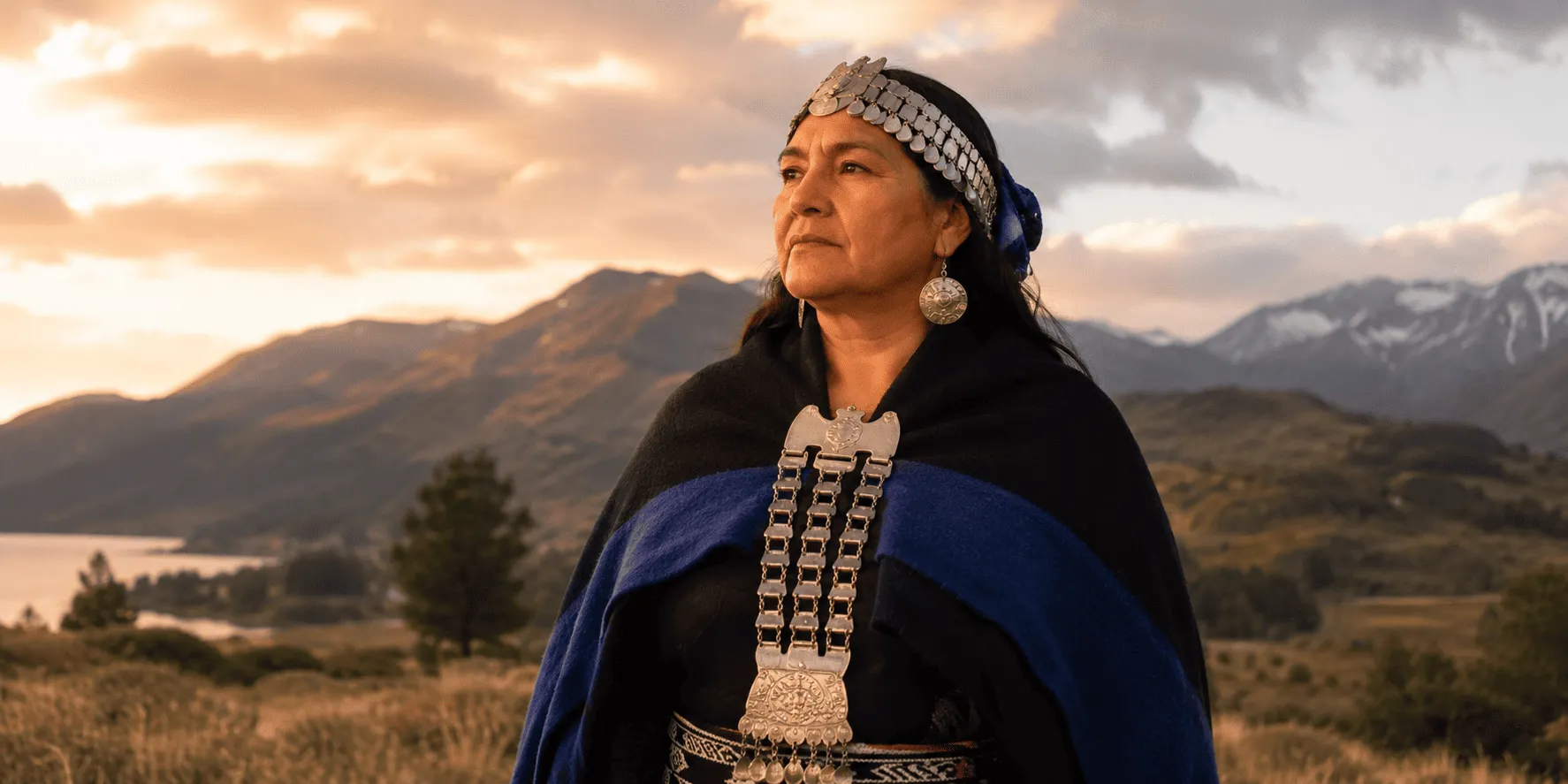
The Mapuche are an Indigenous people whose traditional territories extend across parts of present-day Chile and Argentina.
The name Mapuche is commonly interpreted through the Mapudungun words mapu, meaning land, and che, meaning people. Mapudungun is therefore central not only as a means of communication but also as a language connected with community, territory, memory, and identity.
Mapuche society has historically consisted of locally organized communities rather than a single centralized state. Families and communities developed traditions related to agriculture, weaving, silverwork, medicinal knowledge, oral history, music, and relationships with the natural world.
Today, Mapuche people live in both rural and urban areas. Many participate in contemporary education, art, literature, music, research, entrepreneurship, and cultural revitalization.
Mapudungun faces pressure from the dominant use of Spanish, particularly among younger generations. Nevertheless, community classes, educational projects, publishing, radio, music, and digital media are creating new spaces for the language.
The Mapuche remind us that Indigenous identity can remain strong even as communities adapt to cities, technology, and changing social environments.
Learn more about the Mapuche people and Mapudungun
06 Kaqchikel Maya
- Region : Central and western Guatemala
- Language : Kaqchikel
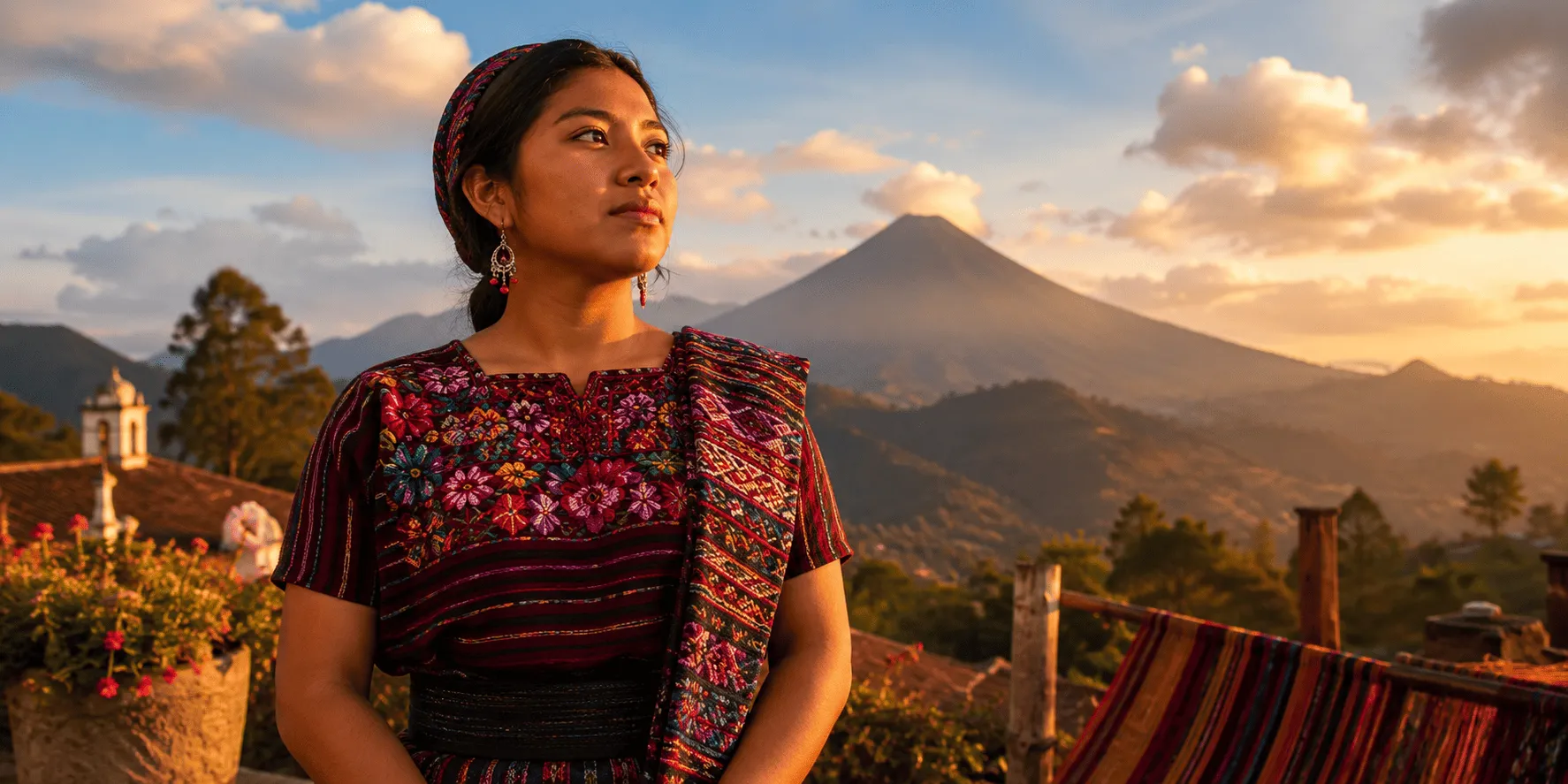
The Kaqchikel are one of the Maya peoples of Guatemala. Their communities are concentrated mainly in the central and western highlands, including areas around Lake Atitlán and the departments of Chimaltenango, Sacatepéquez, Sololá, and Guatemala.
Kaqchikel belongs to the Mayan language family. It is related to languages such as K’iche’, Tz’utujil, and Q’eqchi’, but it has its own grammar, vocabulary, pronunciation, and literary traditions.
Kaqchikel culture reflects centuries of continuity and change. Community life may include agriculture, markets, textile production, weaving, religious practices, festivals, oral traditions, and systems of local responsibility.
The language has survived conquest, social discrimination, political violence, and long periods in which Spanish dominated formal education and public institutions.
Today, Kaqchikel is used in community education, radio, literature, music, digital media, linguistic research, and Maya cultural organizations. Standardized writing systems and educational materials have also expanded opportunities for literacy.
The Kaqchikel experience shows that the Maya are not simply an ancient civilization studied through ruins. Maya peoples, languages, and cultures remain alive throughout the region today.
Learn more about the Kaqchikel Maya and their language
07 Quechua Peoples
- Region : The Andes, especially Peru, Bolivia, Ecuador, Colombia, Argentina, and Chile
- Language : Quechuan languages
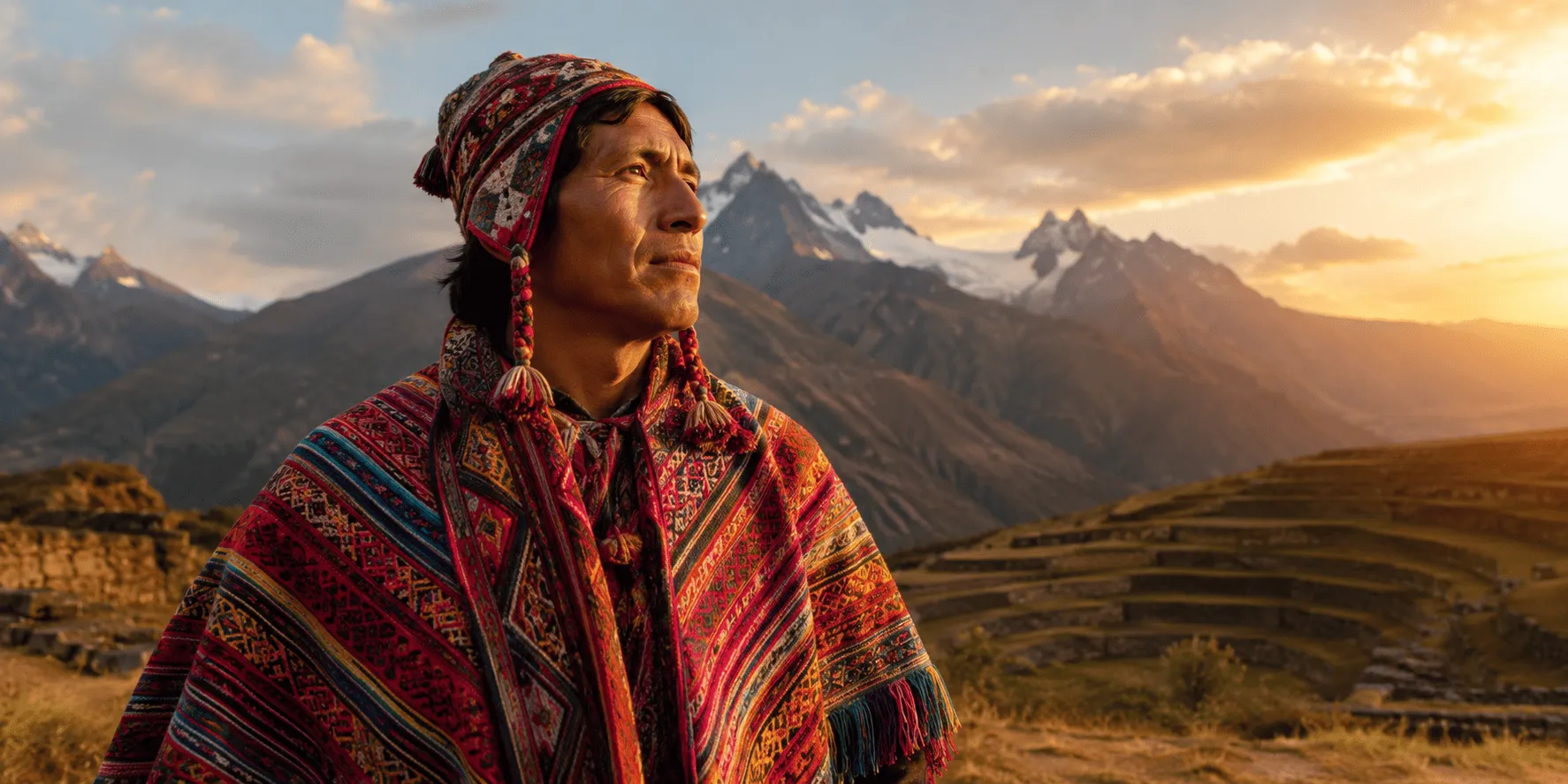
The term Quechua refers to both a group of related languages and to diverse Andean peoples who speak them.
Quechuan languages are spoken across a vast region of South America, particularly in Peru, Bolivia, and Ecuador, with additional communities in neighboring countries. They developed into numerous regional varieties, some of which are not easily understood by speakers of other varieties.
Quechua became widely used during the Inca period, but its history is broader and more diverse than the Inca Empire alone. After Spanish colonization, Quechua continued to be used in communities, religious instruction, trade, agriculture, music, and oral traditions.
Today, millions of people speak a Quechuan language. Even so, many speakers have experienced linguistic discrimination, and Spanish frequently dominates government, education, health care, and urban employment.
Quechua-language radio, television, music, literature, education, online media, and public services are helping expand its presence in contemporary life.
Quechuan languages demonstrate that a language can have millions of speakers and still require active protection, social recognition, and intergenerational support.
Learn more about Quechua peoples and languages
08 Nenets
- Region : Arctic Russia
- Language : Nenets languages
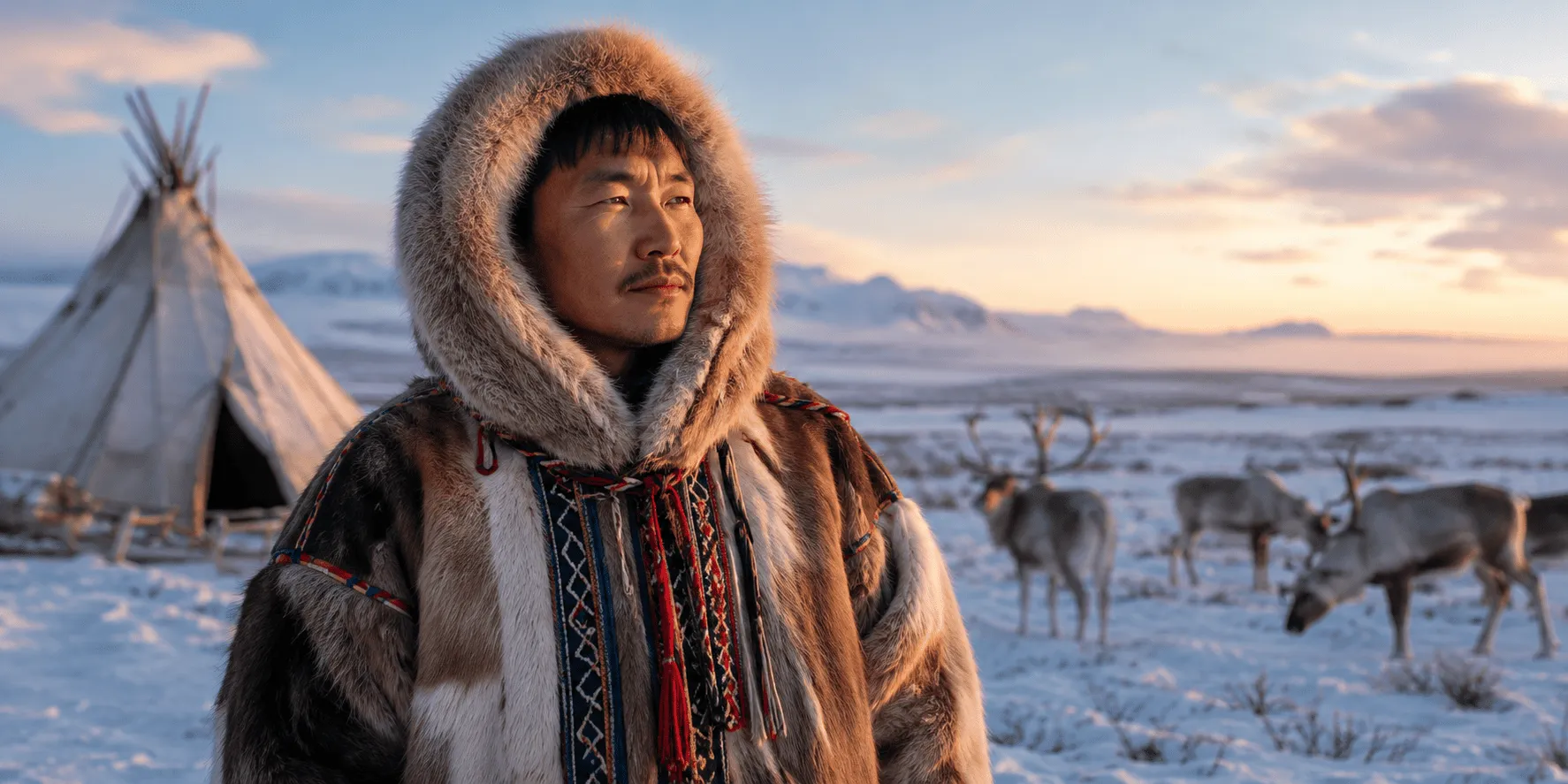
The Nenets are an Indigenous people of the Russian Arctic. Many Nenets communities have historical connections with the tundra and forest-tundra regions stretching from northeastern Europe into western Siberia.
Nenets languages belong to the Samoyedic branch of the Uralic language family. Tundra Nenets and Forest Nenets are generally recognized as distinct varieties or languages, with Tundra Nenets having the larger number of speakers.
Some Nenets families are internationally known for mobile reindeer herding. Herding routes can cover great distances and require detailed knowledge of snow, weather, animal behavior, seasonal change, and Arctic geography.
However, Nenets life is diverse. Communities also include settled residents, teachers, researchers, artists, workers, and families living in towns and cities.
Industrial development, environmental change, boarding-school histories, migration, and the dominance of Russian have affected language transmission and traditional livelihoods.
Nenets communities continue to preserve cultural knowledge through family teaching, storytelling, clothing, music, reindeer herding, educational programs, and written and digital materials.
Their language illustrates how environmental knowledge can be embedded in words, place names, and expressions developed through generations of life in the Arctic.
Learn more about the Nenets people and languages
09 Native Hawaiians
- Region : Hawaiʻi
- Language : ʻŌlelo Hawaiʻi

Native Hawaiians are the Indigenous Polynesian people of the Hawaiian Islands. Their ancestors developed complex systems of navigation, agriculture, aquaculture, governance, oral history, genealogy, music, dance, and environmental management.
The Hawaiian language is known as ʻŌlelo Hawaiʻi. It belongs to the Polynesian branch of the Austronesian language family and is related to languages including Māori, Tahitian, and Samoan.
Following major political and social changes in the nineteenth and twentieth centuries, English became dominant in government and education. The number of children learning Hawaiian as their first language declined sharply.
Beginning in the late twentieth century, Native Hawaiian educators, families, and activists established language nests and Hawaiian-medium schools. These initiatives helped create a new generation of speakers and expanded the use of Hawaiian in education, music, broadcasting, public life, and digital media.
The Hawaiian language revitalization movement has influenced Indigenous educators far beyond the islands.
ʻŌlelo Hawaiʻi demonstrates that a severely threatened language can regain speakers when families and communities create environments where children can learn, play, study, and live through the language.
Learn more about Native Hawaiian culture and ʻŌlelo Hawaiʻi
10 Maasai
- Region : Kenya and Tanzania
- Language : Maa
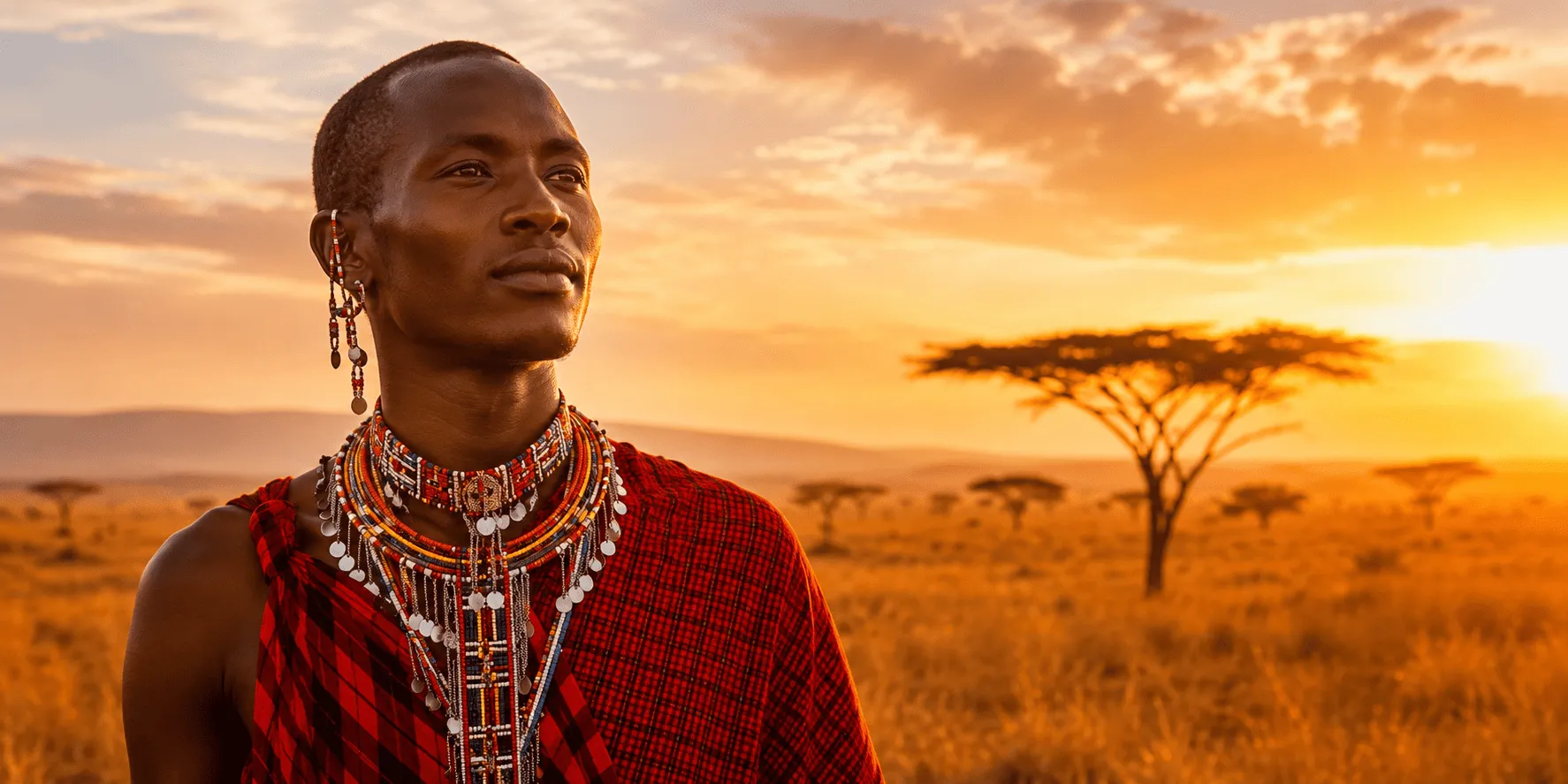
The Maasai are a pastoral people living mainly in southern Kenya and northern Tanzania. They are among the best-known communities of East Africa, but popular images often reduce their identity to colorful clothing, cattle, and warriors.
Maasai life is far more complex. Community identity is shaped by family relationships, age-based social organization, livestock, oral knowledge, ceremony, land, and adaptation to changing economic and environmental conditions.
The Maasai language, Maa, belongs to the Eastern Nilotic branch of the Nilo-Saharan language grouping. It is closely related to languages spoken by several neighboring communities.
Cattle have traditionally held economic, nutritional, social, and symbolic importance, but contemporary Maasai people also work in education, tourism, conservation, government, business, medicine, and many other professions.
Land-use change, formal schooling, urban migration, tourism, conservation policies, and the dominance of Swahili and English affect how Maa is used and transmitted.
The Maasai example reminds us that Indigenous and pastoral communities are not frozen in a traditional past. They make active choices about education, technology, work, culture, and the future while maintaining connections with language and community.
Learn more about the Maasai people and the Maa language
Ten Cultures, Ten Starting Points
These ten examples reveal only a fraction of the world’s cultural and linguistic diversity.
They live in very different environments, from Arctic tundra and northern forests to Pacific islands, African grasslands, Andean mountains, and desert plateaus. Their populations, political circumstances, language vitality, and cultural practices are also very different.
What connects them is not a single lifestyle or a romantic image of tradition. It is the continuing importance of community, identity, language, historical memory, and relationships with place.
Learning about Indigenous Peoples should not mean treating cultures as museum exhibits. These are contemporary societies whose members use smartphones, attend universities, create films, run businesses, participate in public institutions, and develop new forms of art and education.
Their languages are equally contemporary. They can be used for traditional stories, but also for science, social media, music, school lessons, television, software, and everyday family conversations.
Every language offers a distinct way of organizing human experience. When a language loses speakers, the world risks losing knowledge, stories, expressions, and perspectives that may not exist anywhere else.
Exploring these peoples and languages is therefore not only about understanding history. It is also about understanding the cultural choices being made today and the possibilities being created for future generations.
Continue exploring Linglobe to discover more peoples, languages, cultural traditions, and community-led revitalization efforts from around the world.
Sources
un.org unesco.org ohchr.org merriam-webster.com unesdoc.unesco.org en.wikipedia.org amnesty.org social.desa.un.org en.ccunesco.ca who.int whc.unesco.org journals.sagepub.com humanrights.gov.au Australia - Papua New Guinea Network ruralindiaonline.org revistamisionjuridica.com stories.undp.org culturalsurvival.org UNESCO’s Atlas on Endangered Languages and the Local Context indigenouscultures.org un.arizona.edu theguardian.com tpk.govt.nz samediggi.fi bia.gov mfat.govt.nz samediggi.fi naumainz.studywithnewzealand.govt.nz